

Key Dates
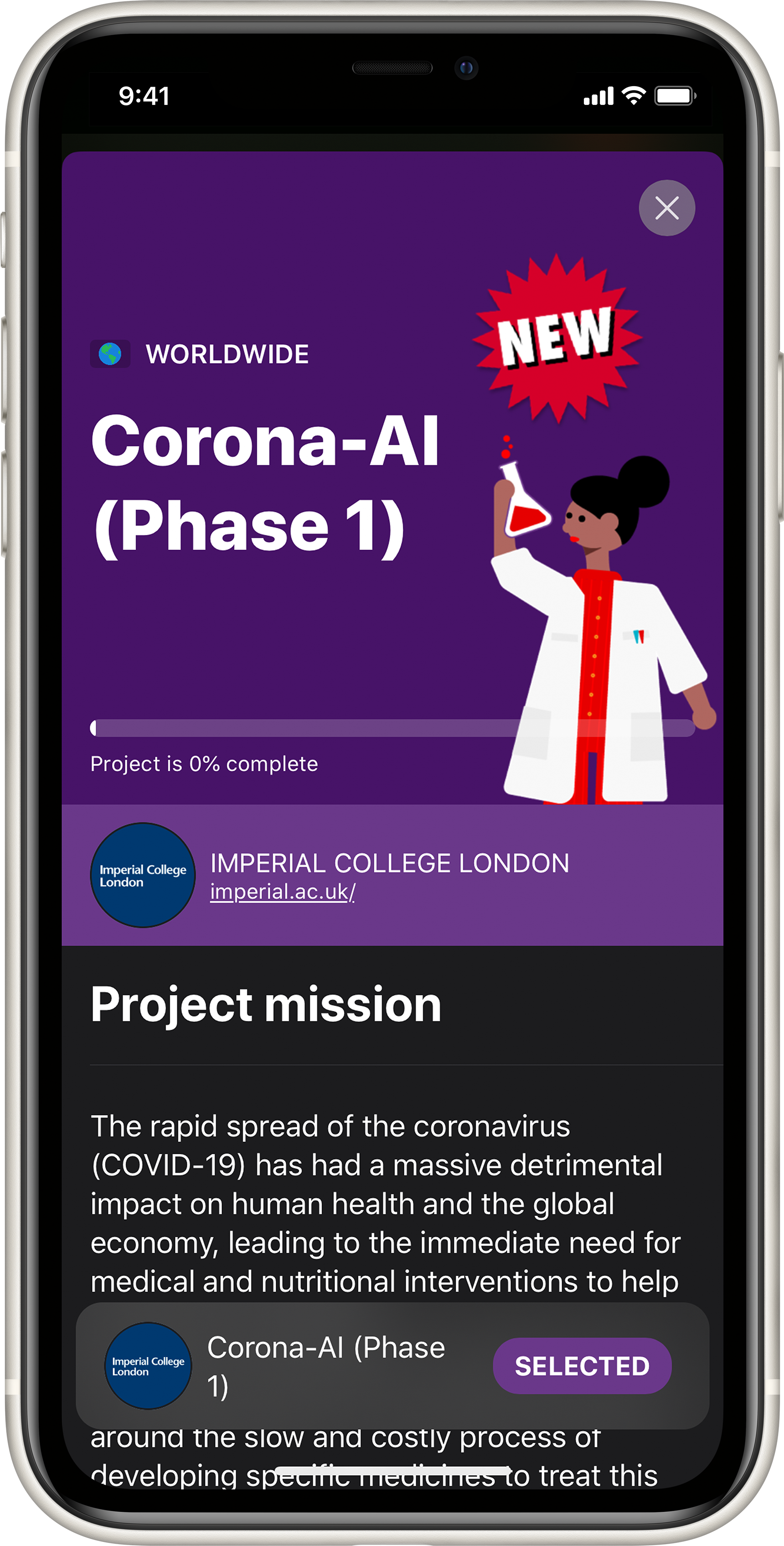
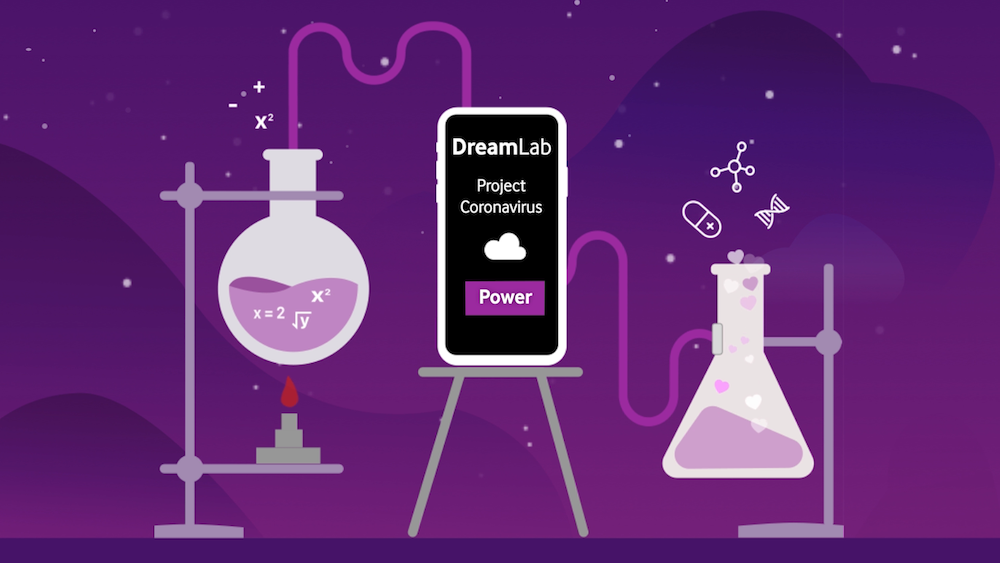
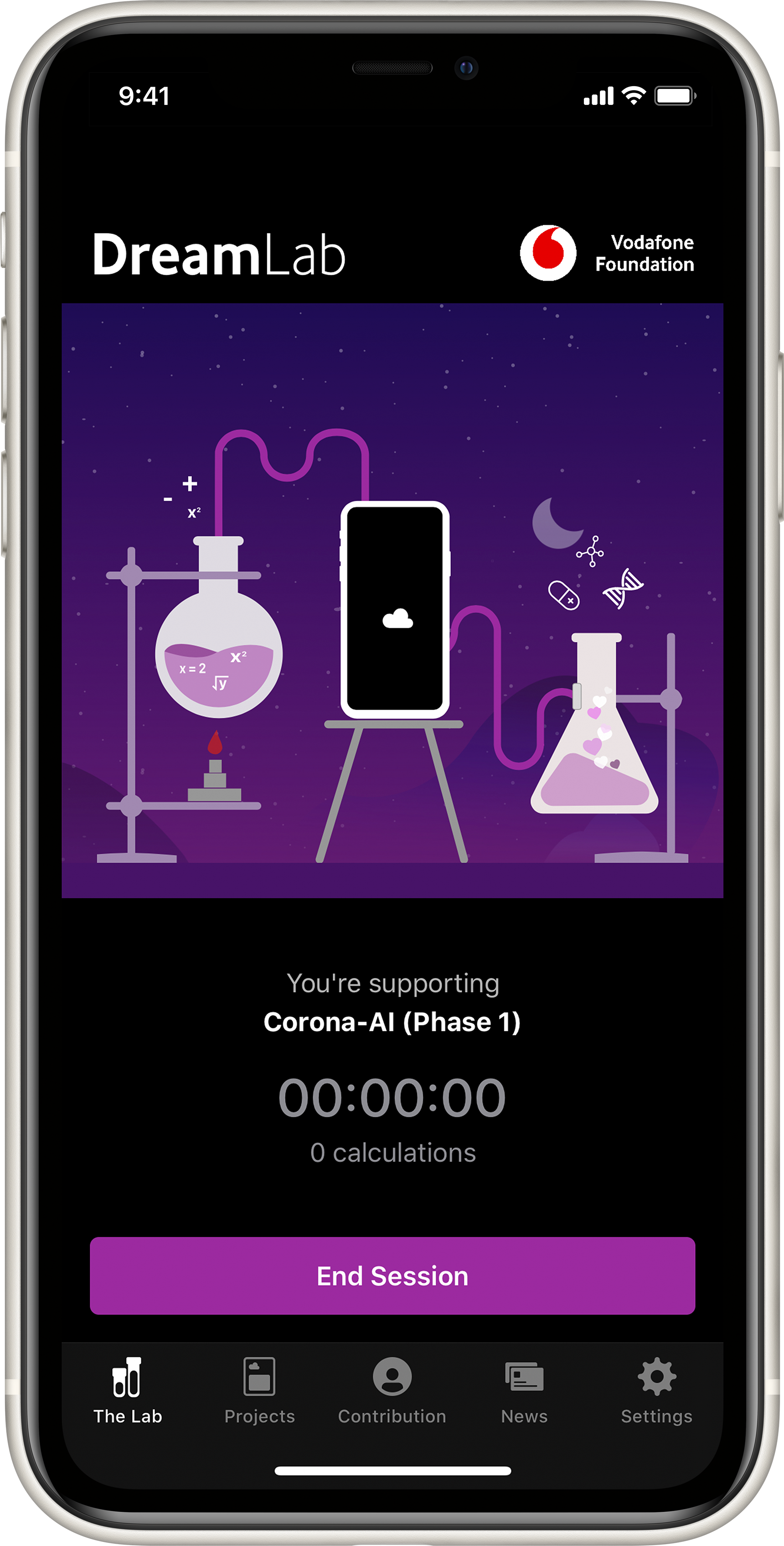
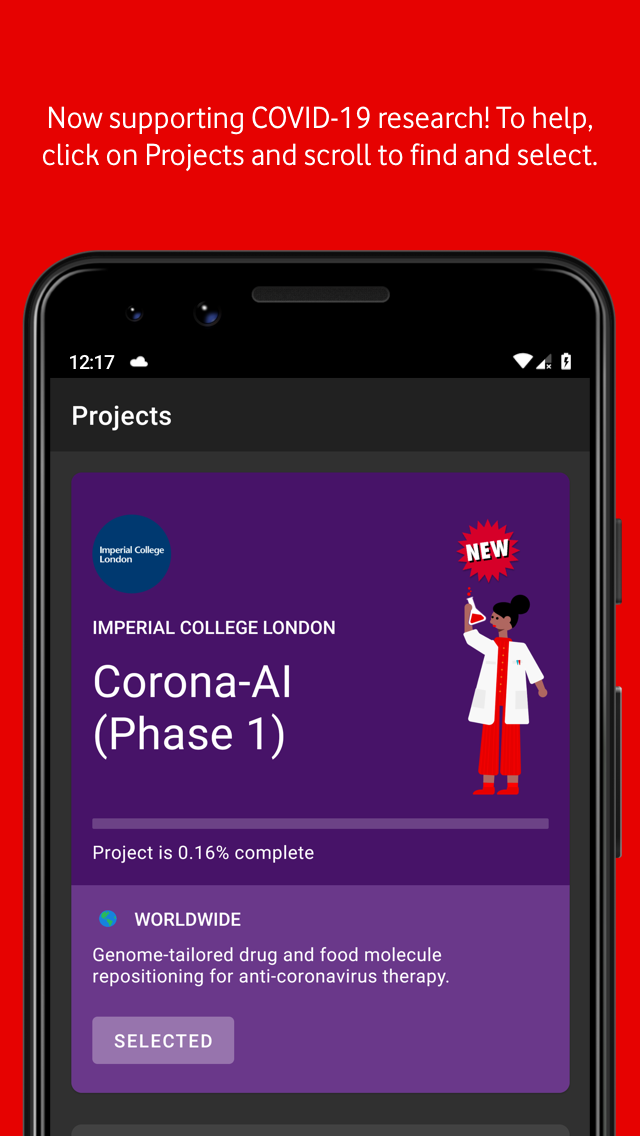
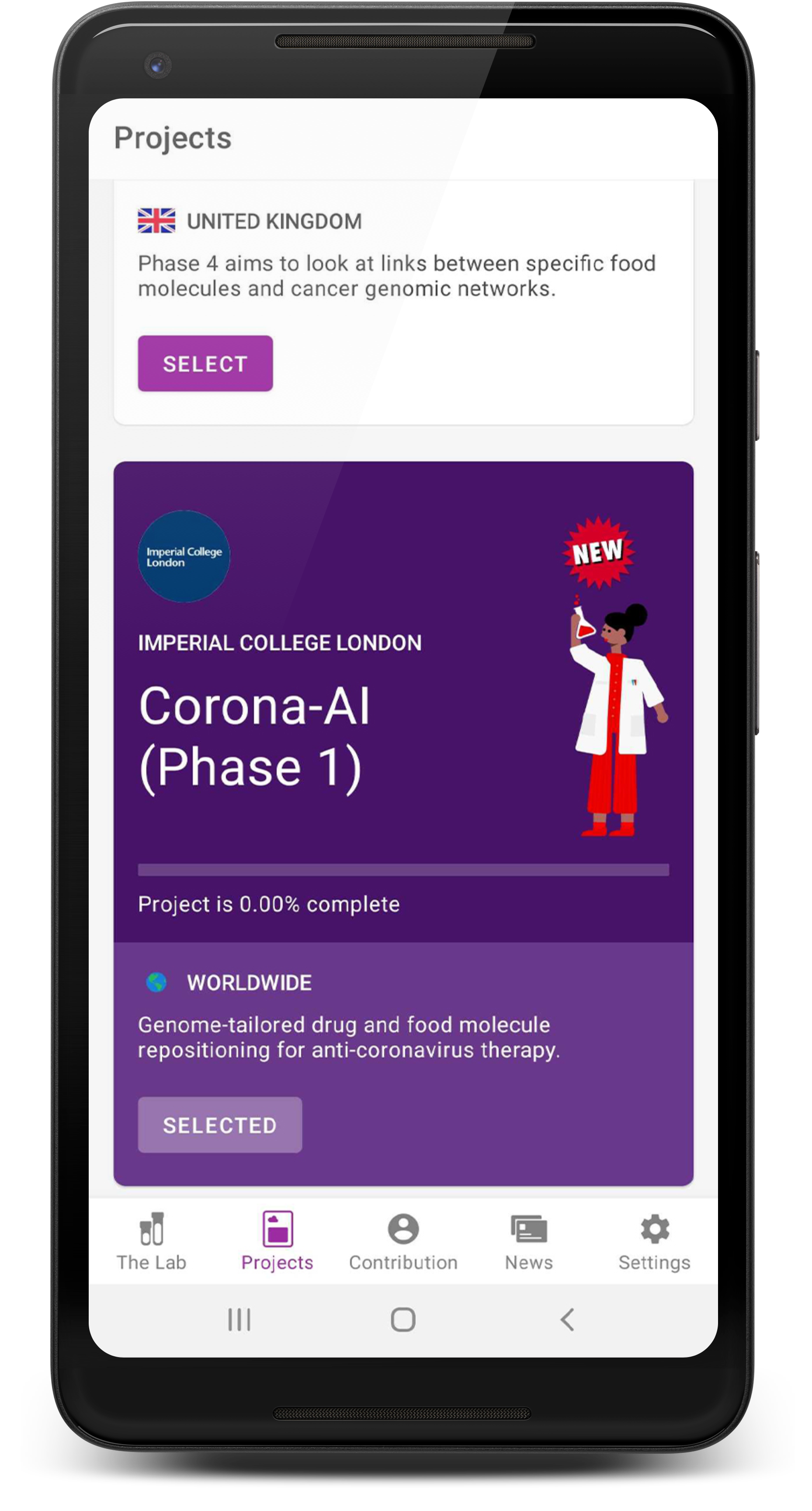
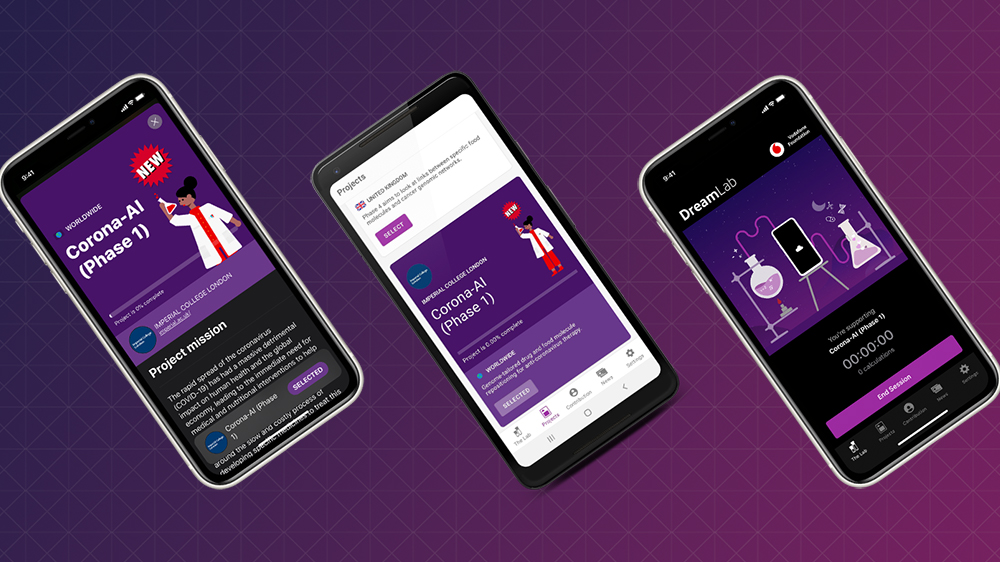
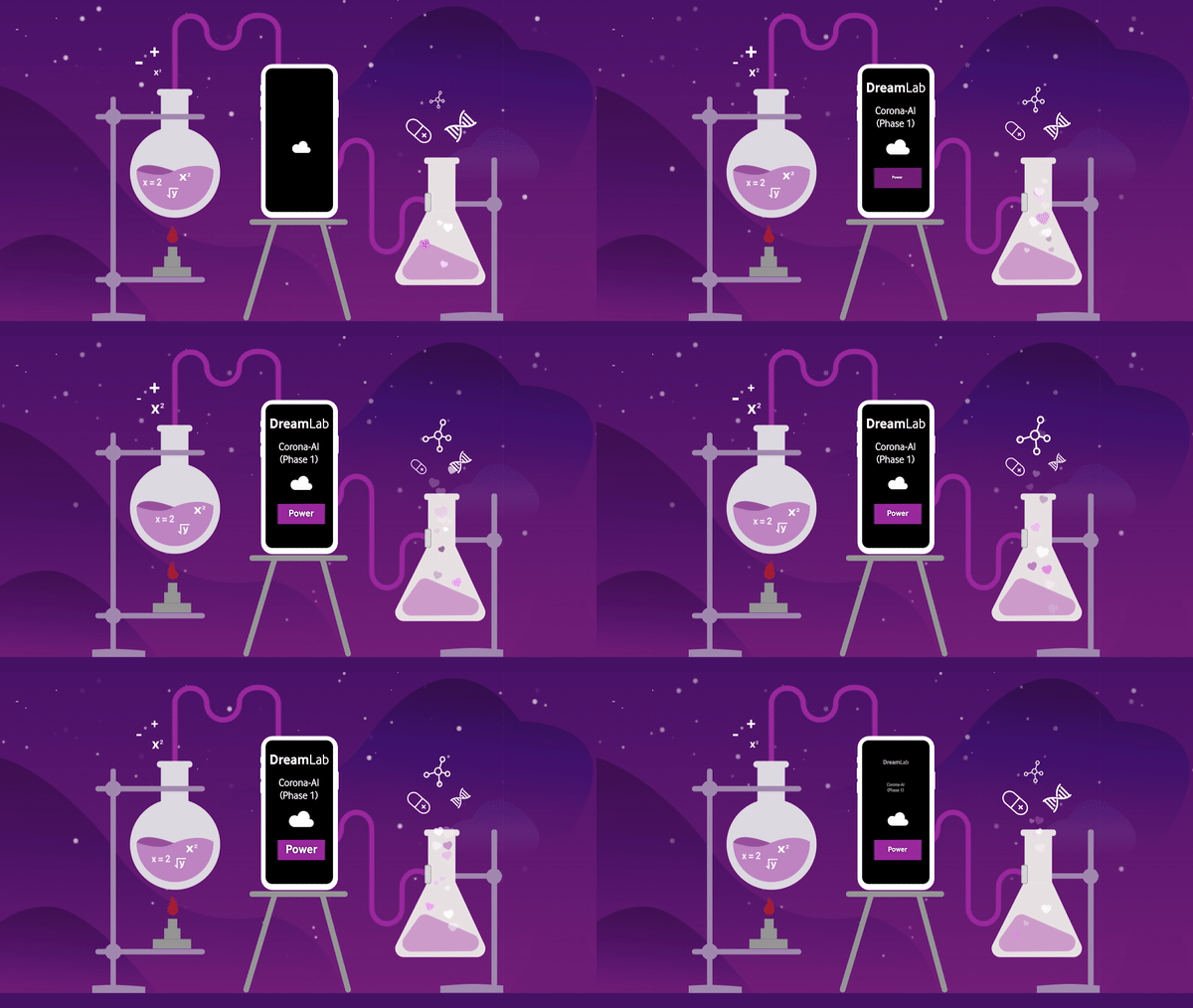
Image Credit :

Project Commissioner
Project Creator
Project Overview
In response to the coronavirus pandemic, Transpire helped Vodafone Foundation repurpose the cutting-edge technology it developed for DreamLab to fight COVID-19.
DreamLab, a native mobile app available on iOS and Android, uses the processing power of idle mobile devices to process medical research data. When launched in 2015, it was heralded as Australia's first 'smartphone supercomputer'.
An update to this award-winning mobile app in April 2020 now enables users to once again crunch medical research data for Imperial College London, only this time its to better understand COVID-19.
Team
Project Brief
Vodafone Foundation wanted to refocus DreamLab in order to speed up the discovery of anti-viral properties in existing medicines and of anti-viral food molecules that could help fight COVID-19.
With a timeframe of just under three weeks, the team at Transpire worked tirelessly to tweak both the front and backend of DreamLab to not only ensure that brand new data could be processed correctly but also maintain the app’s seamless user experience.
“The agile nature of DreamLab has enabled us to react quickly and temporarily refocus to address COVID-19 and the unprecedented set of circumstances the world is facing,” said Alyssa Lane, Head of Vodafone Foundation Australia.
“Australians have faced an unprecedented set of challenges as a result of COVID-19. While most of us do our part by staying home, DreamLab offers people the power to help by simply downloading the app and joining the DreamTeam.”
A DreamLab network of just 100,000 users has the combined power of a supercomputer that can crunch the data from this phase in a time that otherwise would require a decade using a standard desktop computer.
Project Need
Even though potential COVID-19 vaccines have already entered clinical human testing, the process of developing specific medicine for this infectious disease is slow and costly.
For this reason, DreamLab’s Corona-AI project is adopting a different approach – speeding up the discovery of novel anti-viral components in existing medicines and helping the hunt for anti-viral molecules in food.
This is well within the realms of possibility too, as DreamLab has made similar scientific breakthroughs in the past for preventing and treating cancer.
In 2019, DreamLab helped to identify anti-cancer molecules in a range of foods including carrots, celery and oranges. The same findings also suggested that existing anti-diabetic and antimicrobial drugs could play a role in anti-cancer therapy.
As Head of the Department of Surgery and Cancer from Imperial College London, Professor George Hanna explains: “These are unprecedented times that demand radical and unprecedented scientific solutions.
“The DreamLab: Corona-AI project team have taken their knowledge and success in using AI technology to discover anti-cancer properties in existing drugs and foods, and put that to use against this new global threat.”
Research findings will be made available to the medical profession to facilitate clinical trials. In addition, any food-related findings will be translated into dietary advice that can be implemented by the medical community for patients recovering from COVID-19.
User Experience
The user experience for DreamLab's Corona-AI Project remains exactly the same as the rest of the app because the vast majority of updates were made to the backend.
From the very beginning, one of the guiding principles of DreamLab was to create an experience where making a meaningful contribution to cancer research was as simple as possible.
For this reason, quantitative research with Vodafone customers, as well as qualitative research with Vodafone employees and Garvan scientists, has been conducted throughout DreamLab's existence to test attitudes towards the concept, app experience, storyboard design, and promotional materials.
In a call to The Australian soon after the Corona-AI Project was released, Transpire CEO Luke Smorgon issued a rallying cry that “everyone can play a part" in helping to fight COVID-19 with DreamLab.
“Australians have been great so far following the medical advice we’ve been given, and we think they can be great contributors here too to fighting this disease that is ravaging the world,” he said.
“You can do it in your pyjamas or your desk if you’re working from home, and #JoinTheDreamTeam.”
Project Marketing
Marketing the Corona-AI Project during the coronavirus pandemic was made easier by the fact DreamLab is usually powered when people are at home charging their mobile devices.
Both Transpire and Vodafone Foundation supported each other's marketing efforts, which included press releases, blog posts, social media activity, television commercials and celebrity endorsements. The media reach of the initial global campaign was 545 million people.
DreamLab also featured during One World: Together At Home - a historic eight-hour event that was broadcast on more than 60 networks across 175 countries to billions of people around the globe.
Project Privacy
The app accesses the smartphone’s processor and only uses a small amount of storage. DreamLab only has access to the data it creates in the files directories.
No personal information of any kind is required to use the app. Any contact details a user provides will only be used to send a quarterly update on research progress. This is on an opt-in basis and can be removed at any time through the app's settings.
Digital - Expanded Service or Application
Open to apps in all categories with updates and developments that truly enhance the user experience and take your app or service to another level.
More Details